MONTHLY INCOME THRESHOLD
Under US$270USD · US dollars
58.9% of pastors surveyed
Under C$10,000 NIO per month
Nicaraguan córdobas

NICARAGUA · REGION IV · SEPTEMBER 2026
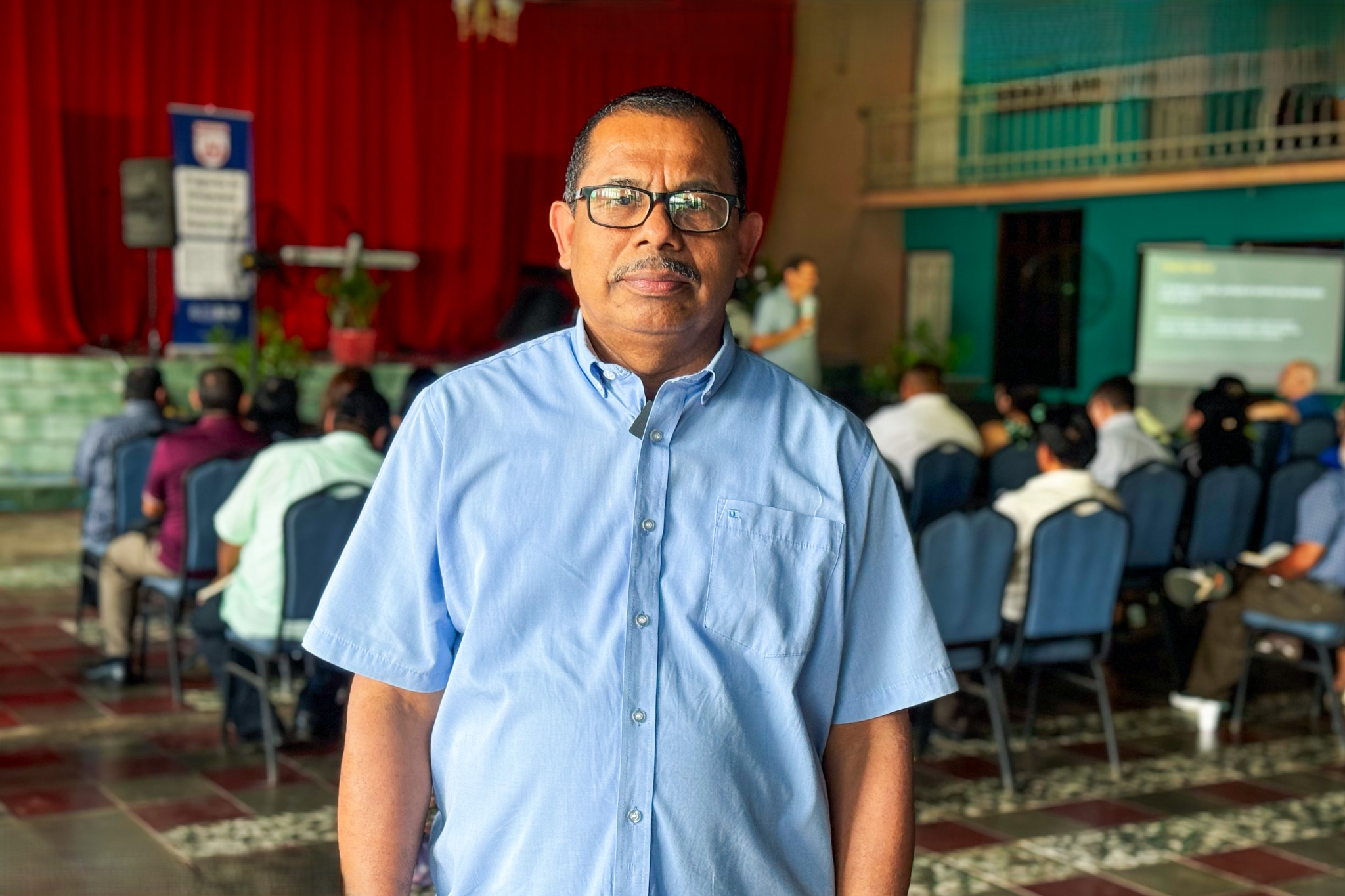
They preach, counsel families, visit the sick, and serve their communities. Many do so while struggling to meet the basic needs of their own families.
Read their reality01 / THE PEOPLE BEHIND THE NUMBERS
These are experienced leaders. The pastors surveyed average 18.3 years in ministry. More than half live in households with four or more people.
Their calling does not remove the cost of food, housing, or medicine. Understanding that reality is the first step toward a practical response from churches and individual partners.
Study §§6.1–6.2 · Region IV respondents, not all pastors in Nicaragua
02 / THE HOUSEHOLD GAP
The main results report that 43 of 73 pastors earn less than C$10,000 NIO (Nicaraguan córdobas) a month. Compare that income threshold with the household basket benchmark cited in the study.
MONTHLY INCOME THRESHOLD
58.9% of pastors surveyed
Under C$10,000 NIO per month
Nicaraguan córdobas
MONTHLY BASIC HOUSEHOLD BASKET
Benchmark cited by the study
C$21,249.74 NIO per month
Nicaraguan córdobas
USD means US dollars; NIO means Nicaraguan córdobas (symbol C$). The USD amounts are approximate equivalents reported in the study, not current exchange-rate quotations. The basket includes household essentials beyond food. US$270 USD is an income threshold, not an average income. Bars use the original NIO amounts.
37.0% say they cannot cover them; 35.6% say they can only sometimes. These are pastors’ reported experiences.
Study §§3.2, 6.6 · September 2026 survey
03 / THE PRESSURE REACHES HOME
Family responsibilities and ongoing health expenses sit alongside the demands of leading a congregation. A modest income must stretch across all of them.
26 pastors report at least one diagnosed chronic condition.
Recurring treatment adds another expense to household finances.
The needs of the household extend beyond the pastor alone.
Study §§6.2–6.3 · Percentages of the 73 respondents
04 / PASTORS ARE READY TO BUILD
Many pastors already combine ministry with trade, agriculture, or services. The survey reports that 39.7% are bivocational, working outside ministry as well as leading their churches.
When asked about starting a family microenterprise, nearly all expressed interest. That gives business education a clear place in the response.
Study §6.6 and project portfolio, p.20
67 of the 73 pastors surveyed.
Each dot represents one respondent.05 / THE BLESSBACK RESPONSE
BlessBack is developing a 12-week business skills program for pastors, adapting the education we use with entrepreneurs for the responsibilities of ministry leaders.
The aim is to help pastors manage resources wisely and assess realistic ways to strengthen family income alongside their calling. The survey also proposes a microenterprise incubator with mentoring and seed funding. We invite churches and individual supporters to help us develop those partnerships as the program takes shape.
Planning, budgeting, pricing, and keeping useful financial records.
Consider demand, costs, available time, and the responsibilities of ministry.
Explore mentoring and responsible startup support with local leaders and partners.
Hear a pastor’s perspective from training BlessBack has provided to support ministry leaders. Their voices help connect the survey findings with the people behind them.
Business education complements the church’s responsibility to support its pastors. Additional income is a possibility to develop, not a guaranteed outcome.
06 / THE WIDER PICTURE
The study also identifies housing, health, property, and connectivity needs. BlessBack’s principal contribution is practical business education; other needs call for collaboration with regional church leaders and qualified partners.
Six pastoral homes have dirt floors. The report also identifies overcrowding and recommends housing improvements with development partners. Source: §6.4 and p.20.
42 church properties lack legal titles registered to the denomination. This includes properties in a registration process; it does not mean every property has no documentation. Source: §6.8 and p.20.
37 pastors lack home broadband. Flexible delivery will matter when developing continuing education. Source: conclusions and p.20.
The study recommends a regional health fund and access to ongoing medication. This is a proposed response for church leadership and health partners. Source: §§6.3, VIII–IX.
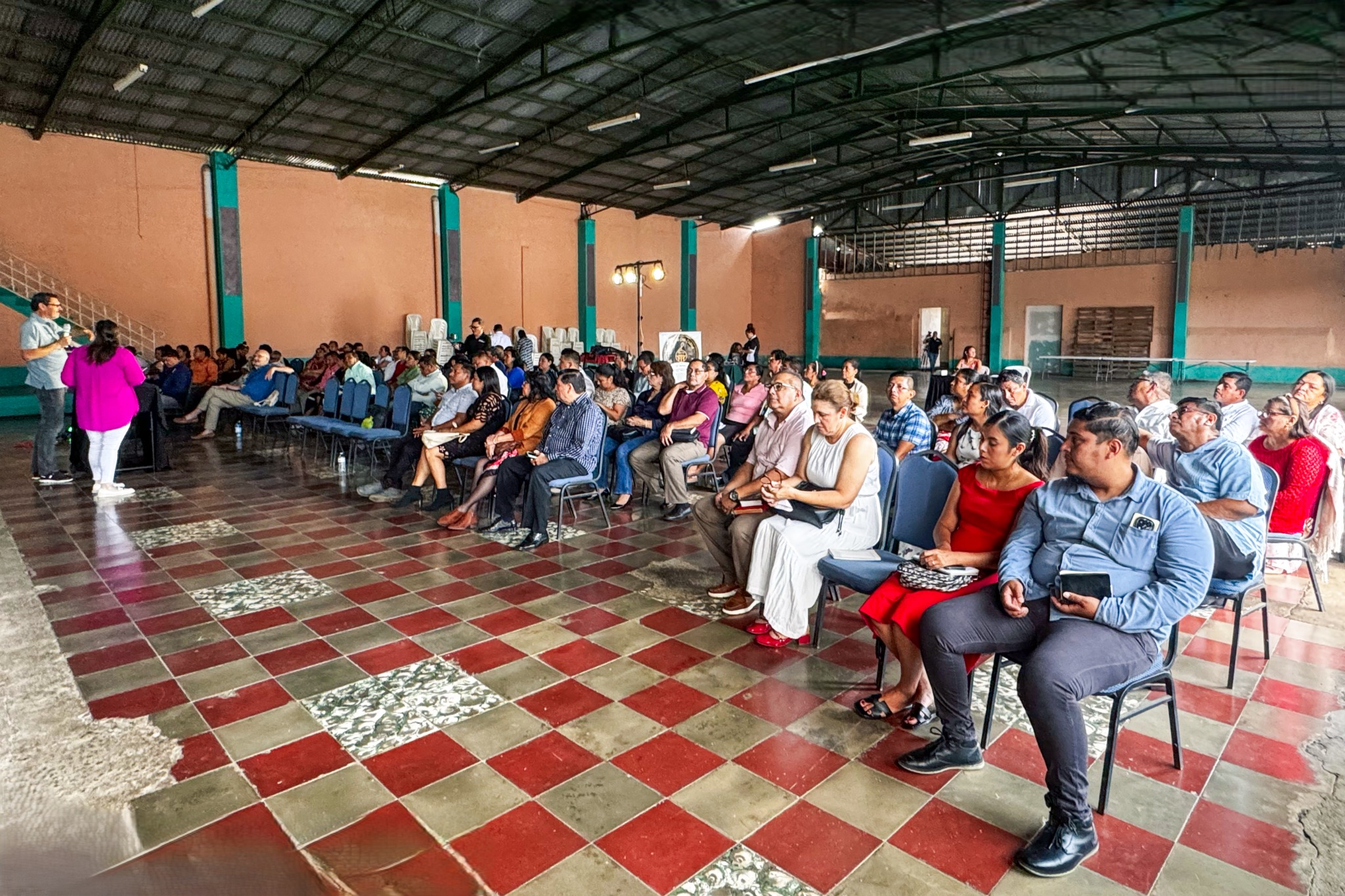
STRENGTHENING THE PEOPLE WHO SERVE
Church partnership begins with listening to local leaders and investing in practical support that fits their circumstances.
07 / TOGETHER, WE CAN SUPPORT PASTORS
Whether you are part of a church, a business owner, a ministry leader, or an individual who wants to help, we invite you to explore a practical partnership with BlessBack Business Academy and our local leaders in Nicaragua.
Discuss support for local teaching, learning materials, and the developing pastoral business program.
Explore teaching or mentoring in business planning, finance, and stewardship, virtually or in person.
Discuss how responsible startup support could follow training and a workable business plan.
Your gift can support BlessBack Business Academy’s work in Nicaragua. On the giving page, choose BlessBack Business Academy Nicaragua in the dropdown.
Give to BlessBack NicaraguaWrite to Dr. Ron Pedemonte from your usual email. Copy the address, subject, and message below, fill in your details, and click Send in your email app.
Dr. Ron Pedemonte · Founder and Director, BlessBack Business Academy
ron.pedemonte@gmail.com
THE EVIDENCE BEHIND THE STORY
Fieldwork: September 2026
Assemblies of God, Region IV, Nicaragua
73 responses from 74 active pastors
This is a descriptive, cross-sectional survey of one region’s Assemblies of God leadership. Findings describe respondents at the time of the survey. They do not establish that business training causes higher income or better food security, and they should not be generalized to all Nicaraguan pastors.
This page uses the main Results and Discussion (§VI), Conclusions (§VII), and project portfolio (§IX), with exact percentages where available. The supplementary summary on printed pages 23–27 contains different figures and is not used for headline statistics.
The report’s bivocational food-security comparison does not reconcile with the overall food-needs results. That comparison is omitted pending clarification from the research team. The downloadable study is the original supplied report.
Page references use the report’s printed numbering.